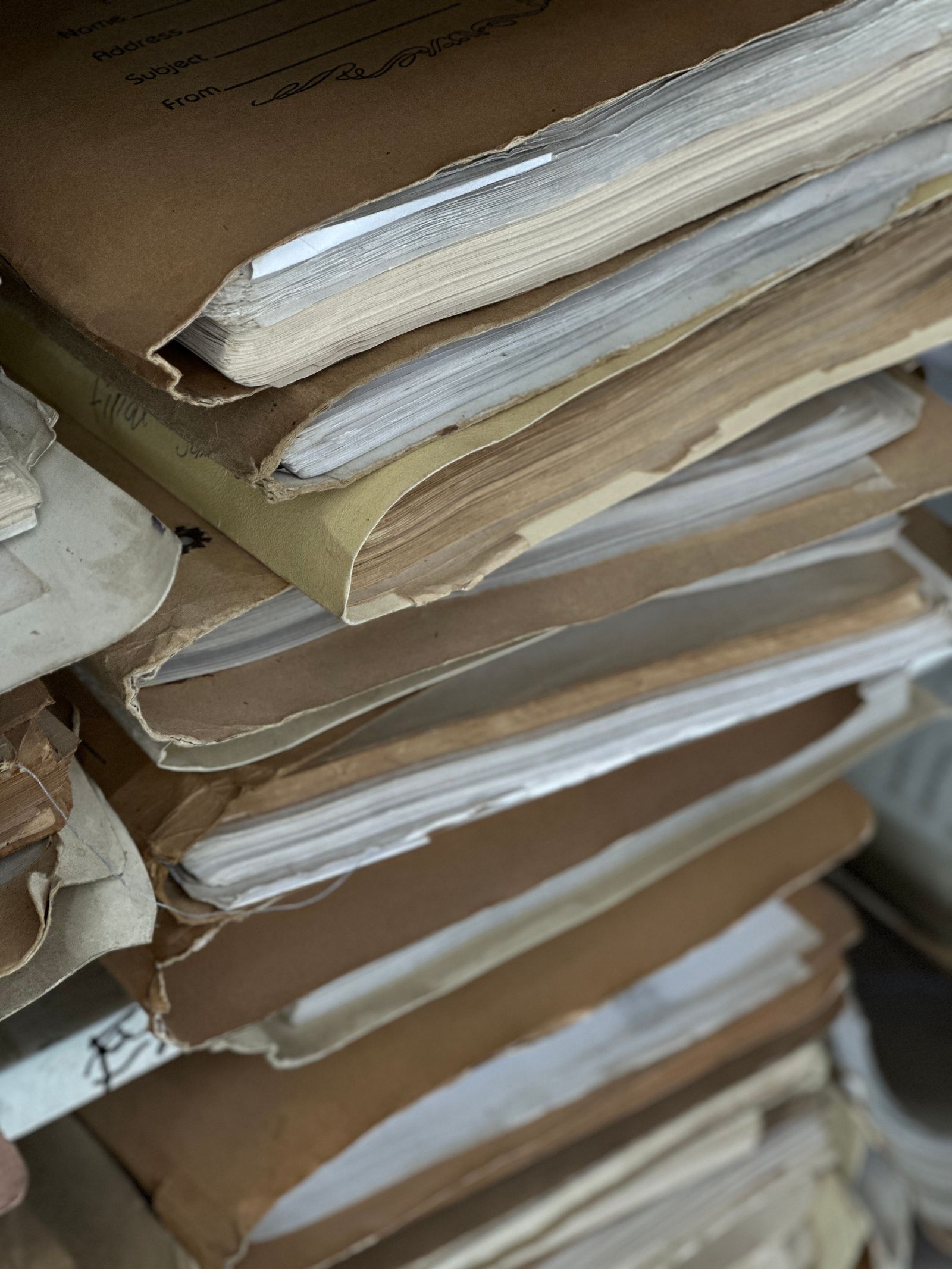
The memory of hard years and difficult deeds belongs to some of our most-requested shelves. War diaries, trial transcripts, propaganda leaflets, resistance pamphlets — the collection is appalling in places, and that is exactly why it stays open. A library that only kept comforting books would be a decoration, not a record.
Beguiling, too
The surprise for most readers is how readable hardship can be. A nurse’s 1943 diary, lent out 200 times, is funny on nearly every page. A dockworker’s strike bulletin reads like a sports report. People in hard times still joked, cooked and fell in love, and the archive proves it daily.
“We keep the uncomfortable books at eye level. Looking away is not a cataloguing principle.” — History Desk handbook
How we shelve difficult material
- Nothing is restricted for its opinions — only rarity and fragility limit handling.
- Context cards sit beside contested items, naming who made them and why.
- Teachers can borrow curated classroom sets with discussion guides included.
Read with guidance
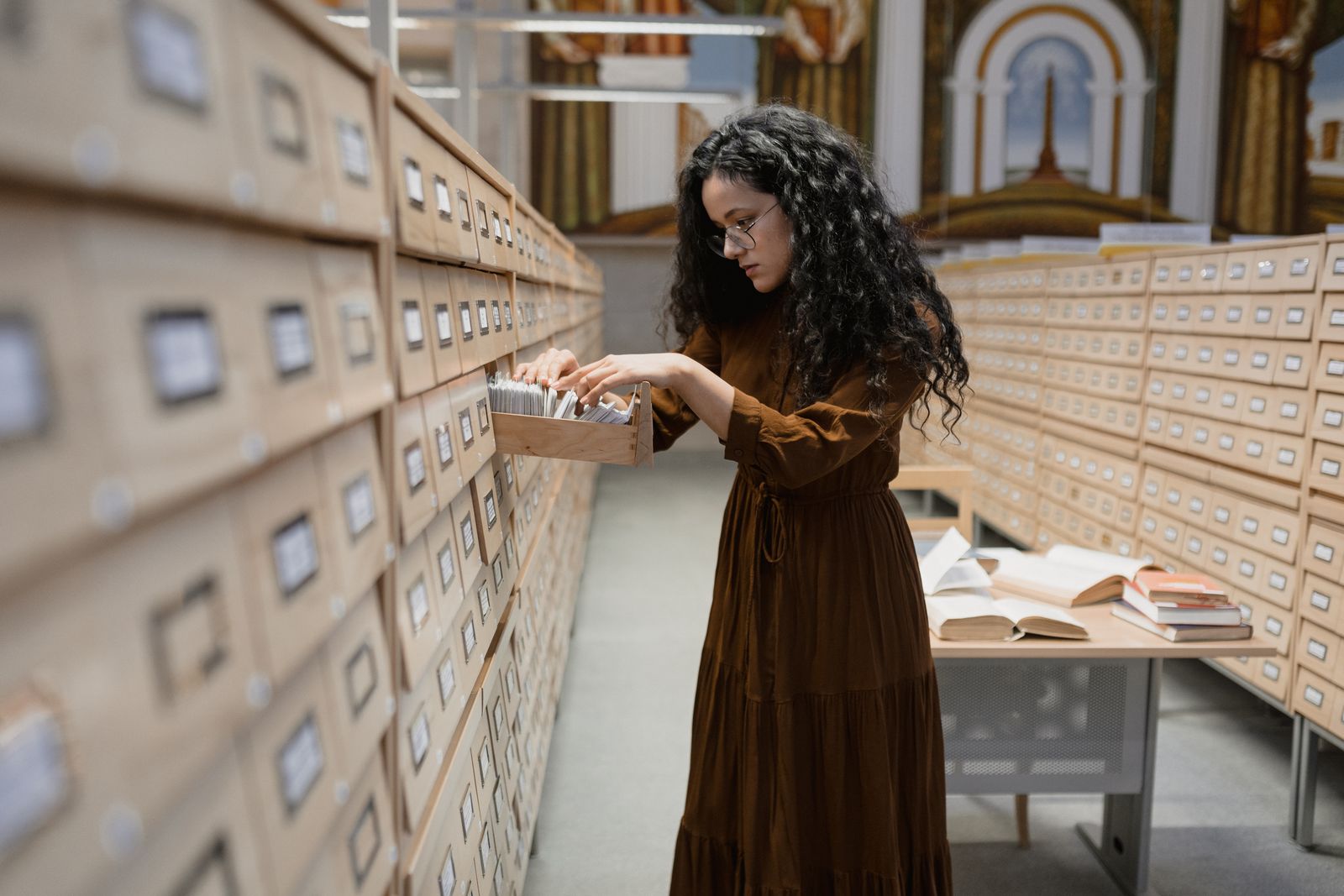
Start with the History Desk reading guides, which pair each difficult era with memoirs from the same streets. For deeper work, book a research consultation — our historians help students handle hard sources with care.
Keep reading: Library Office Security Administration · Research Consultation with a History Professor