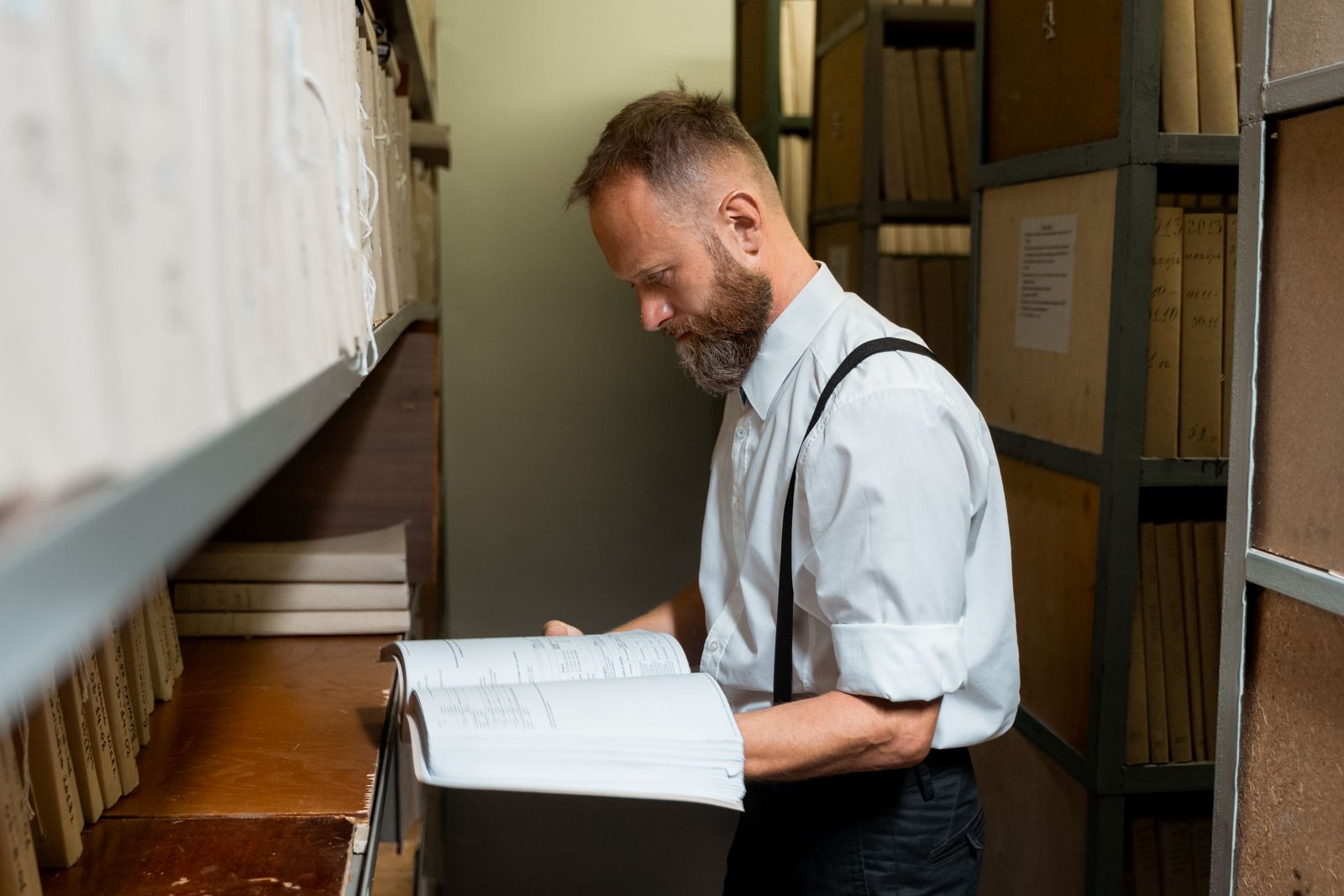
We would like to emphasize the impact of earthquakes on some countries — not only on their buildings, but on their books. When the ground moved under Lisbon, San Francisco and Messina, it shook libraries first: shelves toppled, catalogues burned, and centuries of careful order became piles of paper on the floor.
What the rubble taught the librarians
Our earthquake collection holds first-hand accounts from three centuries of tremors. Again and again the same pattern appears: the books that survived were the ones people carried out in their arms. Librarians in 1906 San Francisco formed human chains to pass volumes out of burning rooms — a scene our own staff re-enacted, with empty boxes, during last year’s disaster drill.
“A library is the only building a city rebuilds before its banks.” — inscription in our 1907 acquisitions ledger
Three things you didn’t know
- The Sablewood catalogue of 1911 was copied by hand after the original burned in a warehouse fire — it took eleven clerks fourteen months.
- Our strongest shelf anchors are rated for the same quakes as the city hospital, fitted during the 2019 restoration.
- The most-borrowed book after every local emergency is the same one: the city street atlas.
Visit the collection
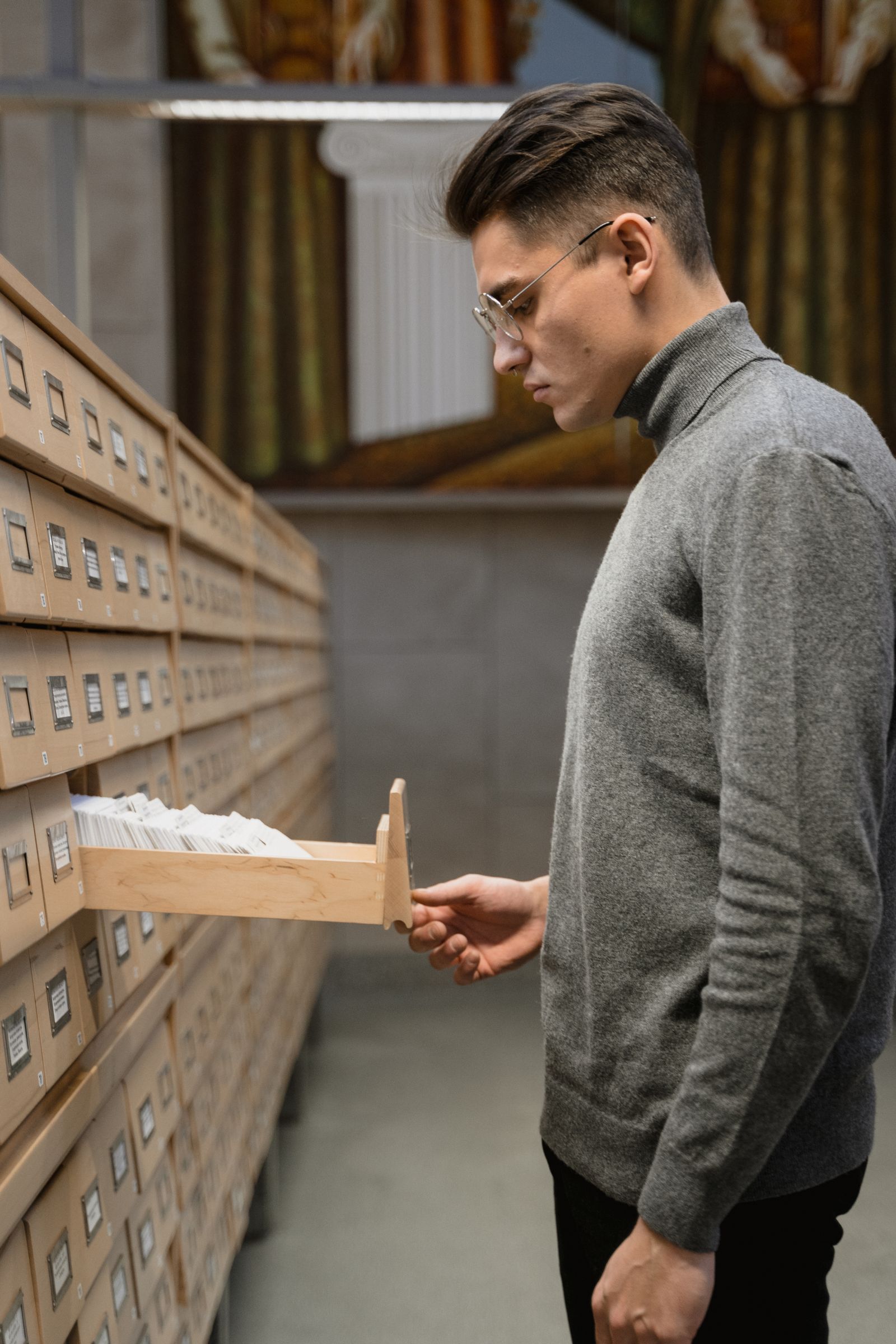
The earthquake shelves sit on Floor 3 of Special Collections, open 9:00 AM – 5:00 PM. Ask at the desk for the guided folder — it pairs each account with the newspaper front page of the same day. And if you’d like help tracing your own family’s story through disaster records, book a research consultation.
Keep reading: How The Rocky Mountains Were Discovered · The Appalling and Beguiling History